Drums that read as one instrument, melodic parts that sit without masking, and vocals across three full tutorials.
20Techniques, drums as one
Four ways to glue a drum bus: multiband at 500Hz to 4kHz, transient shaping, Saturn warm tape, and an Oxford gate, then reverb to put them in one room. 21Mixing melodic instruments
Notch the ringing resonances out of a piano, carve where it overlaps the bass, then add Decapitator and an eighth note delay for space. 22How to mix vocals part 1
Jon's full vocal chain on a real Vintage Culture session, from the 300Hz boxiness cut to splitting compression across two compressors. 23How to mix vocals part 2
Set up the short plate and long hall reverbs plus sixteenth, eighth, quarter and half delays that put a vocal in the mix. 24How to mix vocals part 3
Sidechain your reverbs and delays to the vocal so you can run far more of them, then thicken the vocal with parallel compression. 25AI vocal processing
Build a full lead from a thin Splice vocal using AI harmony stacks, octave doubles and Jon's full lead vocal chain. 26Oeksound Soothe, advanced techniques
Four uses beyond resonance suppression: parallel thickening, sides only mode, frequency slotting by sidechain, and drum bus glue. 27Creative reverbs
Reverb as sound design: reversed percussion tails, dual mono reverbs panned left and right, gated clap tails, reverse reverb on vocals. 28In the mix, Earthquake on Realm Records
The full mix of Earthquake, Jon's 2025 Leftwing : Kody release on Realm Records, opened up: the drums and drum bus, the LFO bass, synths, vocals, then the mastering chain. Techniques, drums as one
Four ways to glue a drum bus: multiband at 500Hz to 4kHz, transient shaping, Saturn warm tape, and an Oxford gate, then reverb to put them in one room.
17 min · iZotope Ozone 9 Dynamics, iZotope Neutron 3 Transient Shaper
Mixing melodic instruments
Notch the ringing resonances out of a piano, carve where it overlaps the bass, then add Decapitator and an eighth note delay for space.
10 min · SoundToys Decapitator, SoundToys EchoBoy, Valhalla Room bright plate
How to mix vocals part 1
Jon's full vocal chain on a real Vintage Culture session, from the 300Hz boxiness cut to splitting compression across two compressors.
16 min · Vintage Culture, Annabel England, Antares Auto-Tune (UAD)
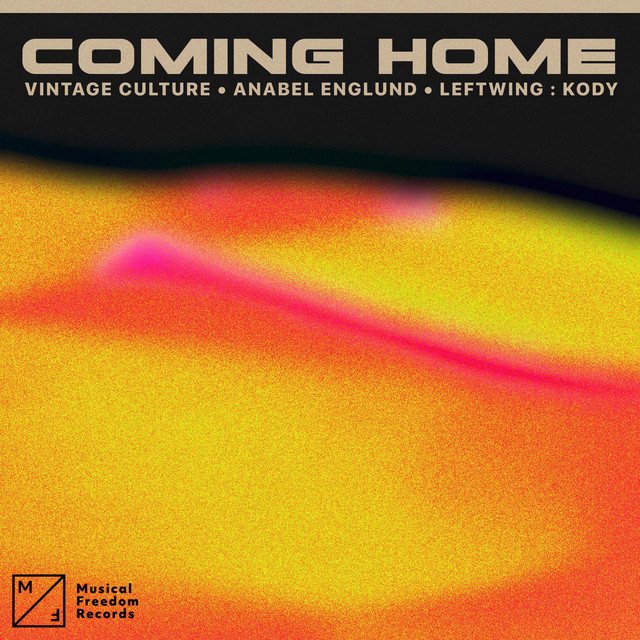
Coming HomeVintage Culture, Leftwing : Kody, Anabel Englund
How to mix vocals part 2
Set up the short plate and long hall reverbs plus sixteenth, eighth, quarter and half delays that put a vocal in the mix.
16 min · UAD Lexicon 224 (Kevin Killen Vox Plate, EJ Smooth Hall)
How to mix vocals part 3
Sidechain your reverbs and delays to the vocal so you can run far more of them, then thicken the vocal with parallel compression.
18 min · Wavesfactory Trackspacer, Waves C2, UAD 1176, Lexicon 224 hall
AI vocal processing
Build a full lead from a thin Splice vocal using AI harmony stacks, octave doubles and Jon's full lead vocal chain.
20 min · Splice, Audimee, Tube-Tech CL 1B, FabFilter Pro-DS and Pro-Q 3
Oeksound Soothe, advanced techniques
Four uses beyond resonance suppression: parallel thickening, sides only mode, frequency slotting by sidechain, and drum bus glue.
14 min · Patrick Topping's Trick recordings, track with artist Raffi
Creative reverbs
Reverb as sound design: reversed percussion tails, dual mono reverbs panned left and right, gated clap tails, reverse reverb on vocals.
17 min · Watson collaboration, Logic Space Designer and GoldVerb, TrackSpacer
In the mix, Earthquake on Realm Records
The full mix of Earthquake, Jon's 2025 Leftwing : Kody release on Realm Records, opened up: the drums and drum bus, the LFO bass, synths, vocals, then the mastering chain.
EarthquakeLeftwing : Kody · 2025